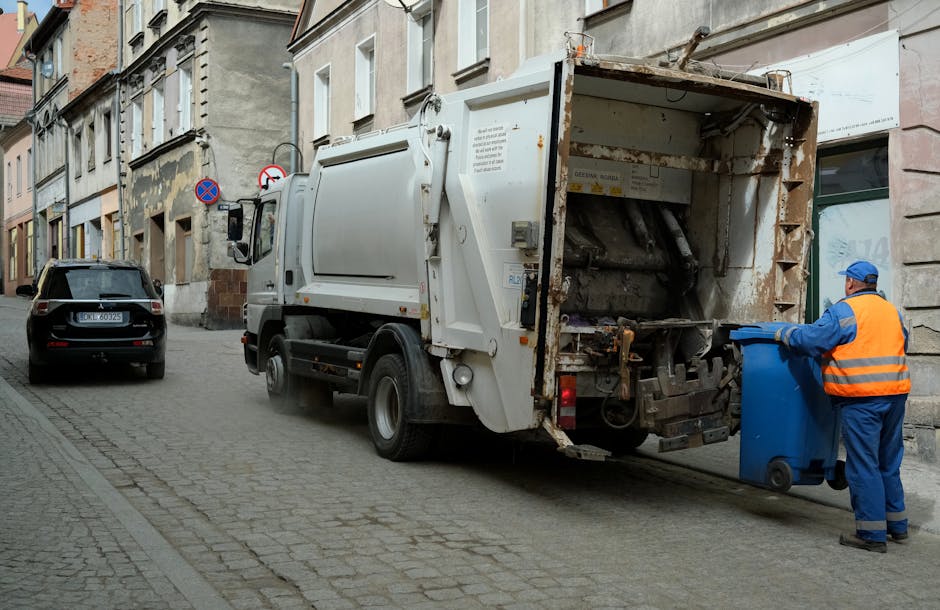
Hampstead Heath rubbish pickup guide NW3
If you are trying to sort out a pile of unwanted items near Hampstead Heath, the process can feel oddly more complicated than it should. One bag turns into three. A broken chair becomes "I'll deal with that later." And then, suddenly, you need a proper Hampstead Heath rubbish pickup guide NW3 that actually helps you move from mess to done.
This guide keeps things practical. It explains how rubbish pickup and waste clearance typically work in NW3, what to prepare before collection, when a standard service makes sense, and how to avoid the common mistakes that slow everything down. Whether you are clearing a flat, tidying a garden, dealing with builders' waste, or just trying to reclaim a hallway that has become a storage zone, you will find a clear route through it here.
For readers who want a broader service overview alongside local rubbish collection planning, the main waste removal service page is a useful place to start, and if the job is larger than expected, options like house clearance or flat clearance may be a better fit.
Table of Contents
- Why Hampstead Heath rubbish pickup guide NW3 Matters
- How Hampstead Heath rubbish pickup guide NW3 Works
- Key Benefits and Practical Advantages
- Who This Is For and When It Makes Sense
- Step-by-Step Guidance
- Expert Tips for Better Results
- Common Mistakes to Avoid
- Tools, Resources and Recommendations
- Law, Compliance, Standards, or Best Practice
- Options, Methods, or Comparison Table
- Case Study or Real-World Example
- Practical Checklist
- Conclusion
- Frequently Asked Questions
Why Hampstead Heath rubbish pickup guide NW3 Matters
NW3 has its own rhythm. Narrow roads, mixed housing stock, busy pavements, period conversions, basement flats, and small front gardens all affect how rubbish pickup works in real life. A collection that looks simple on paper can become awkward very quickly if access is tight or if items are left out in the wrong place. That is why a local guide matters.
In practice, the right approach helps you avoid wasted time, awkward lifting, blocked entrances, and that slightly embarrassing moment when rubbish is still sitting there after you thought the job was sorted. To be fair, everyone has been there once or twice. The difference is knowing how to plan it properly.
This is also about choosing the right type of clearance. A few household bags may only need straightforward pickup, but mixed waste, bulky furniture, old mattresses, broken appliances, or post-renovation debris usually need more structured handling. For example, if your rubbish is coming from a remodel, the builders waste clearance service is often more suitable than a general one-off pickup.
Good planning matters because rubbish accumulates in awkward ways: a cleared loft becomes a landing pile, a garden cut-back leaves green waste, and a move-out reveals furniture you forgot you owned. Local pickup is really about reducing friction. And that saves energy, not just money.
How Hampstead Heath rubbish pickup guide NW3 Works
Most rubbish pickup jobs in Hampstead Heath NW3 follow a fairly simple pattern, even if the details vary. You identify what needs removing, estimate the volume, confirm access, agree a collection time, and then the waste is loaded and taken away for sorting, recycling, or disposal. The process sounds obvious, but the small details are what make it succeed.
Start by separating waste into broad groups:
- General household rubbish such as bags, packaging, and mixed clutter
- Bulky items such as sofas, wardrobes, tables, or beds
- Green waste such as branches, hedge cuttings, and soil-covered debris
- Construction debris such as plasterboard, timber, tiles, or rubble
- Special care items such as fridges, electronics, paint tins, or anything with fluids
Not every provider handles every type of waste the same way, so it helps to know what you have before making a booking. A pile of mixed items can be sorted at the collection stage, but giving a clear description upfront usually results in a cleaner quote and fewer surprises. That part alone saves a lot of back-and-forth.
If the pickup is happening from a home, the most relevant service may be home clearance; if it is a smaller property or upper-floor living space, flat clearance often fits better. For larger household jobs, the house clearance option is worth considering, especially when several rooms are involved.
A well-run pickup usually follows these stages:
- Review the items and access details.
- Confirm whether lifting support is needed.
- Agree a collection window.
- Prepare the waste in a sensible location.
- Remove, load, and sort the materials.
- Handle recycling or disposal in line with the waste stream.
Simple? Yes. Effortless? Not always. The difference lies in preparation.
Key Benefits and Practical Advantages
There is more to rubbish pickup than clearing visible clutter. Done well, it reduces stress, improves safety, and restores usable space faster than most people expect. It also stops waste from hanging around the property, which is particularly helpful in shared buildings or busy streets where mess becomes everyone's problem in no time.
Here are the main advantages:
- Speed - A booked pickup can remove a job that might otherwise linger for weeks.
- Less lifting for you - Handy if the rubbish is bulky, dusty, or awkwardly placed.
- Better access and tidiness - Useful for landlords, tenants, homeowners, and businesses alike.
- Improved safety - Fewer trip hazards, sharper edges, or stacked items in walkways.
- More suitable handling - Different waste types can be sorted more appropriately.
- Cleaner next step - A cleared room makes decorating, moving, or repairing much easier.
There is also a quieter benefit that people often overlook: momentum. Once the rubbish is gone, the whole property feels easier to manage. You stop working around the mess. Decisions become simpler. Honestly, that shift can be more valuable than the pickup itself.
For certain jobs, pairing pickup with a more specific service gives better results. A garden that has been trimmed back may benefit from garden clearance, while old cupboards, chairs, and tables are sometimes better handled through furniture disposal or furniture clearance. Different waste, different route.
Who This Is For and When It Makes Sense
This guide is useful for anyone in NW3 who needs rubbish removed without turning the task into a full weekend project. That includes homeowners, tenants, landlords, letting agents, office managers, builders, and people sorting out a property after a move, renovation, or long period of storage.
It makes sense when:
- you have bulky items that will not fit in ordinary bins
- you need multiple bags or mixed waste removed in one visit
- access is awkward and you want the lifting done properly
- you are preparing for a sale, tenancy change, or refurbishment
- you would rather avoid repeated trips to a disposal site
It is especially helpful if the rubbish has built up in a way that now feels mildly overwhelming. You know the sort of thing: one cupboard, one corner, then suddenly the room is holding everyone else's leftovers from the last six months. A pickup service breaks that cycle.
Businesses can also benefit. Offices with old desks, archive clutter, or broken equipment often need a more structured approach, which is where office clearance or business waste removal becomes more appropriate than a basic domestic pickup.
And yes, sometimes it is simply about peace of mind. If the rubbish is becoming one more thing on an already long list, getting it removed can be the easiest sensible decision you make all week.
Step-by-Step Guidance
Here is a straightforward way to organise a rubbish pickup in Hampstead Heath NW3 without overcomplicating it.
1. Identify exactly what needs removing
Walk through the space and make a list of items. Group things by type if you can. Mixed rubbish is fine, but the clearer the picture, the better. A quick phone photo can be surprisingly helpful, even if the room is a bit of a mess. Actually, especially if it is.
2. Check the access route
Think about stairs, narrow hallways, parking, front door width, or whether items need to be carried through shared spaces. In NW3, access is often the thing that turns a ten-minute job into a forty-minute one. If there is a lift, mention it. If there are building restrictions, say so early.
3. Decide whether the waste is general, bulky, or specialist
This matters for both handling and pricing. A few bin bags are very different from an old wardrobe, and an old fridge is different again. If the pile includes leftovers from DIY, the builders waste clearance route will usually be the more sensible fit.
4. Prepare the items for pickup
Move waste to a place where it can be collected safely. Do not block shared doors, fire exits, or narrow hallways. If you can keep items together in one spot, even better. One tidy pile is easier to remove than several small ones scattered around the property.
5. Confirm timing and expectations
Agree the collection window and make sure someone is available if access needs to be granted. If the waste is behind a locked gate, in a basement, or in a rear garden, that should be mentioned upfront. Nothing dramatic, just practical housekeeping.
6. Ask about sorting and recycling
It is sensible to ask what happens after collection. Responsible operators should sort materials where possible, separating reusable, recyclable, and residual waste. That is one reason to review a provider's recycling and sustainability information before booking.
7. Keep the space clear after collection
Once the rubbish is gone, do a quick check for missed items or hidden debris. A five-minute sweep can make the space feel finished rather than half-done. You will notice the difference straight away.
Expert Tips for Better Results
Here are a few practical tips that save time and prevent small problems from becoming annoying ones.
- Take photos before you book. A clear visual helps with estimate accuracy and avoids misunderstanding.
- Separate hazardous or awkward items early. Paint tins, chemicals, gas-related items, and certain electronics should be identified in advance.
- Be realistic about volume. Most people underestimate how much room clutter takes up. The old "it's only a few bits" story does not always age well.
- Keep pathways open. Even a narrow, clear route helps move bulky items without damage.
- Think in zones. Kitchen, loft, garage, garden, office. It makes planning cleaner and prevents things being missed.
- Book before deadlines, not after them. If you are moving, renewing a tenancy, or starting work, give yourself breathing room.
A small local insight: in older NW3 properties, items are often tucked into awkward spots because the space was never really designed for modern storage habits. Under-stairs cupboards, tight loft hatches, basement corners. Familiar territory. In those cases, the pickup team will work best if everything is ready to go before they arrive, rather than expecting a full sorting exercise on site.
And here is the boring but true bit: the smoother the setup, the calmer the day feels. No one enjoys rushing when a sofa is wedged at the top of the stairs.
Common Mistakes to Avoid
Most rubbish pickup problems are avoidable. They are not disasters, just little planning misses that snowball.
- Leaving access unclear. Stairs, parking, and gate codes matter more than people think.
- Mixing waste types without saying so. General rubbish, furniture, and construction waste should not be treated as the same thing.
- Forgetting about heavy or awkward items. A mattress or cabinet can change the whole job.
- Blocking communal routes. In flats, that is a fast way to create issues with neighbours or building management.
- Booking too late. Deadlines have a habit of arriving right on time.
- Assuming everything can go together. Not all materials are handled in the same way.
Another common mistake is ignoring the emotional side of the job. Clearing a room can bring up more than dust. Sometimes it is a move-out, sometimes a bereavement, sometimes a property that has simply got away from you. In those moments, pace matters. A good service should feel steady and respectful, not rushed and cold.
If you are dealing with a whole property rather than one load of rubbish, services such as loft clearance or garage clearance may be much more efficient than piecemeal pickup. That's often the smarter call, truth be told.
Tools, Resources and Recommendations
You do not need much to prepare for a rubbish pickup, but a few simple tools make life easier.
- Strong bin bags or rubble sacks for smaller loose waste
- Gloves to handle dusty or sharp items safely
- Label tape or markers if several people are helping
- Phone photos for sharing the job scope clearly
- Trolley or sack truck if you are moving heavy items short distances
From a service perspective, compare the job to the right clearance type instead of assuming the cheapest option is the best one. A mixed flat clear-out may need a different approach to a small garden tidy-up. A furniture-heavy job may fit better with furniture clearance, while a property that needs everything removed can be better handled through home clearance.
It is also worth reviewing a provider's standards around safety and payments. The pages on insurance and safety and payment and security can help you understand what to expect before you commit.
If you are comparing providers or trying to understand quote structure, the pricing and quotes page is a sensible place to read the basics first. It is not glamorous, but it does save headaches.
Law, Compliance, Standards, or Best Practice
For rubbish pickup in the UK, the most important thing is using a service that handles waste responsibly and within accepted practice. You do not need to become an expert in waste law, but it helps to know the basics.
In plain English: waste should be collected, transported, sorted, and disposed of by people who understand the category of waste involved. Duty of care matters. So does keeping different waste streams separate where appropriate. That is especially relevant for mixed loads, business rubbish, and materials from building work.
Here are some sensible expectations to keep in mind:
- General waste should not be mixed carelessly with materials that need special handling.
- Builders' waste should be identified clearly, because it may include heavier or sharper debris.
- Electrical items and appliances should be flagged before collection.
- Hazardous materials need extra caution and may not be accepted in a standard pickup.
- Shared buildings may have access rules, loading restrictions, or timing expectations that need to be respected.
Best practice also means being honest about the job. If there is a hidden pile behind a wardrobe, say so. If there is damp waste, broken glass, or anything awkward to move, mention it. That honesty protects everyone and makes the collection smoother. Little thing, big difference.
For reassurance around how the company approaches responsibility, the pages on health and safety policy and terms and conditions are worth reviewing if you want to understand the service relationship more fully.
Options, Methods, or Comparison Table
If you are deciding between a few ways to get rubbish removed in Hampstead Heath NW3, this comparison should help. The right choice depends on size, access, item type, and how quickly you need the space back.
| Option | Best for | Strengths | Things to watch |
|---|---|---|---|
| Small self-clear and bin use | Light waste, a few bags, minor clutter | Low cost, simple, immediate | Not suitable for bulky or heavy items |
| One-off rubbish pickup | Mixed household waste, fast removal | Convenient, quicker than repeat trips | Needs clear access and a decent description of the load |
| Furniture-focused clearance | Sofas, wardrobes, beds, tables | Good for bulky items | May not suit mixed rubbish loads on its own |
| Garden clearance | Cuttings, branches, outdoor waste | Better for green waste and outdoor tidying | Soil-heavy or mixed items should be declared |
| House or flat clearance | Whole rooms, multiple items, major clear-outs | Efficient for larger jobs | Can be more involved than a simple pickup |
| Builders waste clearance | Renovation debris, rubble, timber, mixed site waste | Appropriate handling for construction leftovers | Access and load details need to be accurate |
In real life, the choice usually comes down to this: is it a tidy-up, a pickup, or a proper clearance? That one question clears up a lot.
Case Study or Real-World Example
Picture a basement flat near Hampstead Heath after a long overdue spring clean. There are three bags of mixed clutter, an old sideboard, two disassembled shelves, a broken office chair, and some garden waste from the rear patio. Nothing outrageous. But it is all awkwardly placed, and the hallway is narrow.
The first instinct might be to treat it as one general rubbish pickup. But once the items are listed, it becomes obvious that the job is really a small mixed clearance: part furniture, part household waste, part garden material. The better approach is to group the items, check access, and choose a service that can handle the mix in one visit instead of splitting it into separate trips.
That is where the planning pays off. The collection is quicker, the hallway stays clearer, and nobody has to drag a sideboard down stairs on a wet afternoon. Which, let's face it, nobody enjoys.
This kind of job also shows why photos matter. A few clear images can tell you far more than a rushed description. The visible pile may look manageable until you stand beside it and realise the chair is heavier than expected and the table top doesn't want to fit through the door. Been there, seen it.
Practical Checklist
Use this checklist before arranging pickup:
- List every item or waste type you want removed.
- Separate furniture, general rubbish, garden waste, and builders' waste where possible.
- Take clear photos of the load and access route.
- Check stair access, parking, and doorway width.
- Decide whether the job is a pickup, clearance, or specialist removal.
- Move waste into one sensible collection point if safe to do so.
- Keep pathways, entrances, and communal areas open.
- Flag any heavy, sharp, damp, electrical, or unusual items.
- Confirm timing and make sure someone can provide access if needed.
- Review safety, payment, and sustainability information before booking.
If you can tick most of those off, you are already ahead of the game.
Conclusion
A reliable Hampstead Heath rubbish pickup in NW3 is not really about trash at all. It is about restoring order, clearing space, and making the next step easier. Once you understand the type of waste, the access route, and the most suitable removal method, the whole process becomes much calmer and more predictable.
Take the time to prepare properly, choose the right level of service, and ask sensible questions about handling, safety, and recycling. That is the difference between a rushed job and a clean, efficient result. And when the space is finally empty, quiet, and usable again, the relief is real.
Get a free quote today and see how much you can save.
If you are ready to sort the job properly, start with the service pages for waste removal, pricing and quotes, and contact us when you want to discuss the details. A clear plan now usually means a much easier day later. Simple as that.
Frequently Asked Questions
What is the best way to arrange a rubbish pickup in Hampstead Heath NW3?
The best approach is to list the items, check access, take a few photos, and choose the right removal type. If the waste is mixed or bulky, a clearance-style service is usually easier than trying to manage it in smaller parts.
Can I book rubbish pickup for just a few items?
Yes, small pickups are common. A few bags, one broken chair, or a mattress may be enough to justify a collection if they are awkward to dispose of yourself.
How do I know whether I need rubbish pickup or a full clearance?
If the waste is limited to one area and fairly manageable, pickup may be enough. If you are dealing with multiple rooms, a loft, a garage, or mixed items across the property, a fuller clearance is usually the smarter choice.
What kind of rubbish is usually accepted?
General household rubbish, bulky furniture, garden waste, and some builders' waste are commonly handled. Special items, hazardous materials, and certain electrical or fluid-related waste may need extra care or separate arrangements.
Do I need to move the rubbish outside before collection?
Not always, but it helps if items are in a sensible, accessible place. If that is not possible, mention the access details when arranging the job so the team knows what to expect.
Is rubbish pickup suitable for flats near Hampstead Heath?
Yes, but flat access needs a little more planning. Stairs, lifts, communal hallways, and parking restrictions can all affect the smoothness of the pickup, so clear information is important.
What happens to the rubbish after it is collected?
It should be sorted appropriately, with recyclable materials separated where possible and the remaining waste handled responsibly. Good providers should be transparent about their recycling and disposal approach.
Can builders' waste be included in a regular rubbish pickup?
Sometimes, but it depends on the type and quantity of material. Mixed DIY leftovers, rubble, timber, and plasterboard are often better handled through a dedicated builders waste clearance service.
How far in advance should I book a pickup?
As early as you reasonably can, especially if you have a deadline such as a move, renovation, or tenancy change. Short-notice jobs are often possible, but planning ahead gives you more flexibility.
What if I am not sure how much waste I actually have?
Take photos and describe the job as honestly as possible. A rough estimate is usually enough to start a conversation, and it is better to be slightly uncertain than wildly optimistic.
Is furniture disposal different from general rubbish pickup?
Yes, furniture often needs more lifting care and may be charged or handled differently from mixed rubbish. If the load is mostly sofas, beds, wardrobes, or tables, a furniture-focused service is usually the cleaner option.
Where can I find more information about the company and its standards?
Useful starting points include the about us, insurance and safety, and recycling and sustainability pages. They help you understand how the service is run and what values sit behind it.