Recycling and Sustainability at Hampstead House Clearance
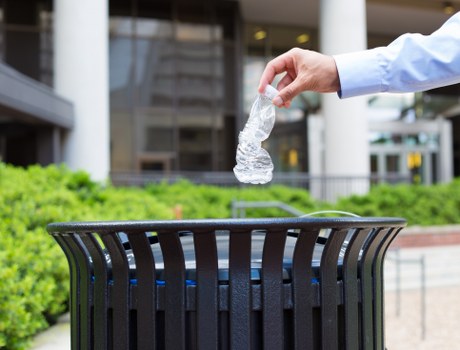 Hampstead House Clearance is committed to leading the way in recycling and sustainability for house clearances across Hampstead and the surrounding boroughs. Our approach to an eco-friendly waste disposal area and a practical, well-managed sustainable rubbish area means fewer items to landfill, more materials reused, and a smaller carbon footprint for each job. We combine local knowledge with a clear environmental policy so that every clearance is handled responsibly.
We work with the boroughs' existing systems: many local councils operate separate streams for dry recycling, food waste and residual waste, and we align our sorting and collection practices with these local separation rules. By matching council expectations and taking extra steps where possible — such as segregating metals, glass, paper, textiles and approved plastics — we increase diversion from landfill and support the neighbourhood's wider sustainability targets.
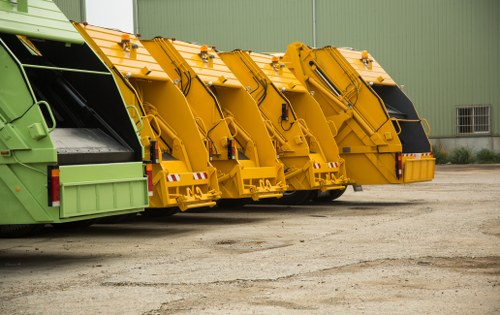 Our measurable target is to achieve a 75% recycling and reuse rate across all Hampstead house clearance jobs within the next 24 months, rising to an aspirational 85% within five years. This recycling percentage target covers materials kept for reuse, donated goods, metal and construction material recycling, and properly processed general recyclables. We track outcomes consistently so our customers can see the environmental benefit of choosing a green clearance service.
Local Transfer Stations and Processing
We prioritise nearby transfer stations and facilities to reduce haul distances and emissions. Where possible we route recyclable loads to authorised North London processing centres and Camden/Barnet transfer facilities that specialise in sorting and preparing materials for reprocessing. These partnerships help us maintain an efficient eco-friendly waste disposal area workflow and ensure materials enter the correct recycling streams quickly.
Typical materials we separate and process include:
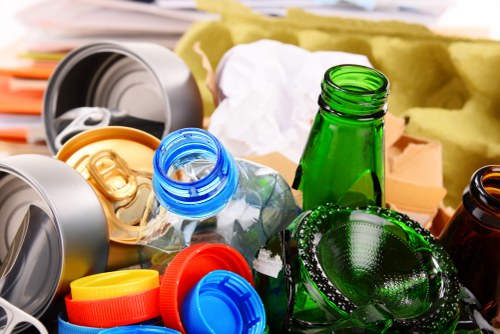
- Household recyclables: paper, cardboard, glass, tins and permitted plastics
- Textiles and soft furnishings: assessed for reuse or passed to specialist recyclers
- Furniture and appliances: evaluated for donation, refurbishment or safe recycling
- Construction and green waste: timber, rubble and garden waste routed to appropriate facilities
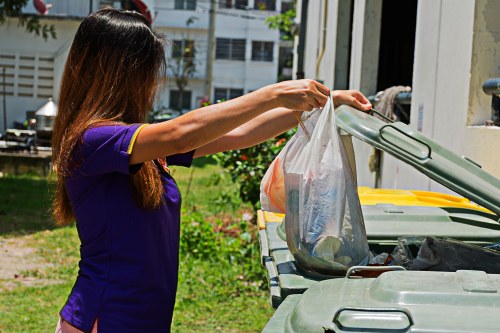 All materials are logged at point of collection and, where necessary, pre-sorted on-site in a clearly marked sustainable rubbish area before being taken to transfer stations. This process reduces contamination and increases the value and usability of the recyclable streams.
Charity Partnerships and Reuse
We work closely with a network of local and national charities to maximise reuse. Partner charities receive furniture, usable appliances, clothing and household goods that are in good condition — items that would otherwise be disposed of. Our charity partners include community reuse centres and well-known organisations that operate in London, enabling items to be rehomed quickly and safely. Donation is often the highest-impact form of recycling because it extends product life and supports local people.
 Our documentation includes records of items donated, repaired or recycled, supporting transparency and allowing us to report on the percentage of materials diverted from landfill. We also support social value by coordinating with organisations that provide skills training through refurbishing and repair programmes.
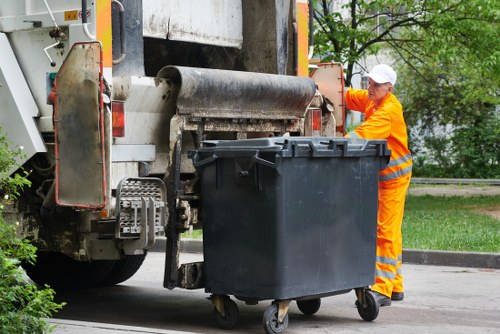 Low-carbon logistics are central to our service. We operate a fleet of low-emission and electric vans alongside route-optimised scheduling to cut fuel use and CO2 emissions. Where electric vehicles are used, we prioritise short runs and local drop-offs to transfer stations and reuse partners. For larger or specialist loads we coordinate with low-carbon partners who adhere to the same environmental standards.
Our sustainable clearance process emphasises simple ways customers can help: separate obvious recyclables where possible, set aside items for donation, and let us know about bulky or hazardous items in advance. This collaboration lets us operate an efficient Hampstead house clearance recycling service that fits within the boroughs' waste separation frameworks and reduces contamination rates.
We publish periodic summaries of our performance against targets and provide clear statements about how materials are handled. By choosing a service that focuses on an eco-friendly waste disposal area approach and a responsible sustainable rubbish area standard, residents support a circular economy model that keeps useful materials in use and reduces landfill.
Our commitment to greener clearances is more than policy — it's practical. From signed transfer notes for recyclables and donation receipts for charities, to ongoing investment in low-carbon vans and staff training on waste separation, Hampstead House Clearance aims to be a trusted partner in local sustainability. We continually review our processes to improve recycling rates and minimise environmental impact while delivering a professional, caring clearance service.